
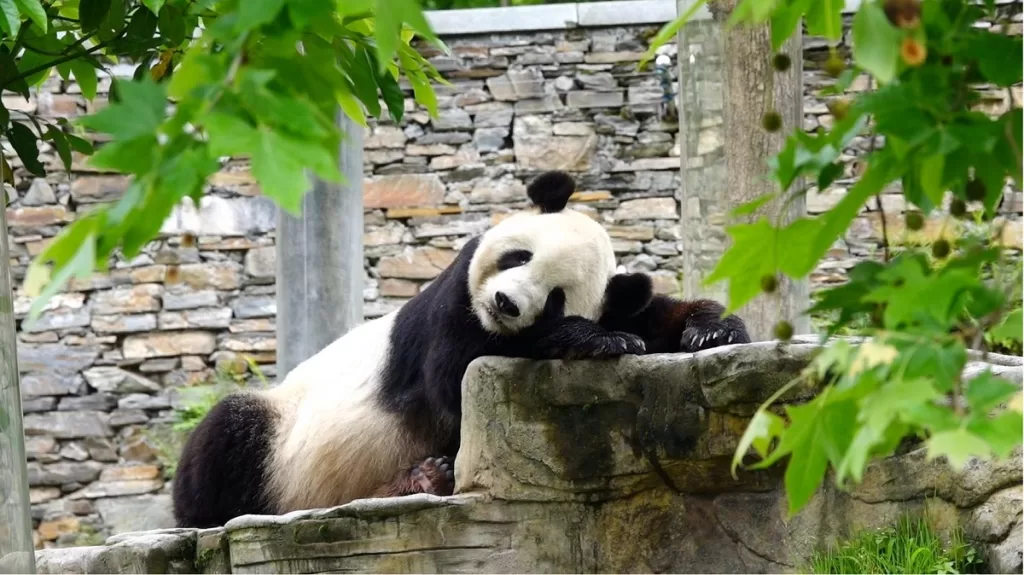
Are pandas nocturnal?
The answer is a clear no, but it’s not as simple as labeling them diurnal either. Giant pandas do not […]
The answer is a clear no, but it’s not as simple as labeling them diurnal either. Giant pandas do not […]
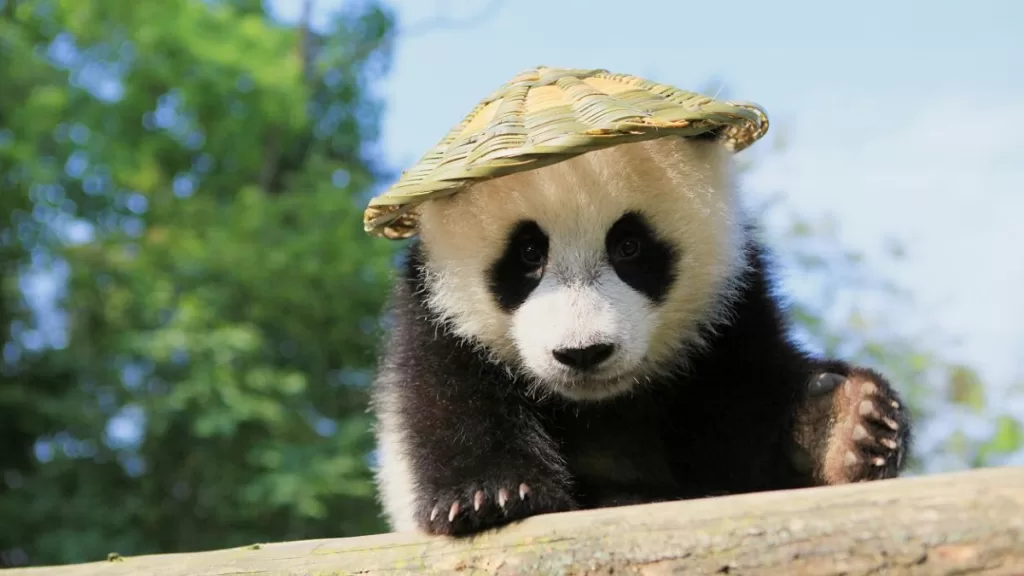
The giant panda, Ailuropoda melanoleuca, has a deep evolutionary history originating in East Asia, with fossil evidence suggesting its ancestors

Pandas are generally known for their calm and solitary nature, but when it comes to reproduction and raising their young,
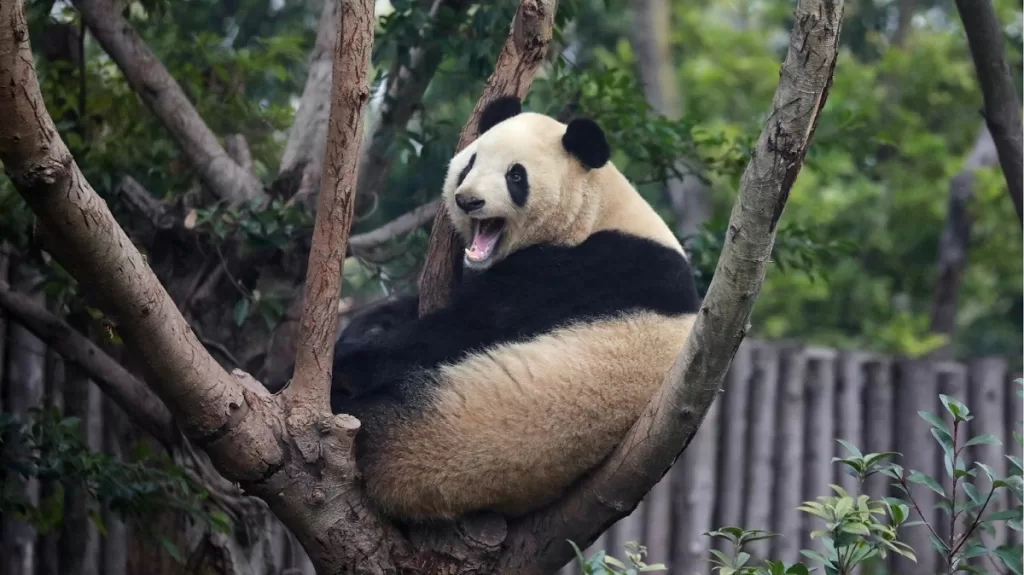
Giant pandas often appear to have a yellowish hue, and this can be attributed to several factors: 1. Fur Coloration

China is the primary custodian of giant pandas, but they are not solely “owned” by the country in the traditional

Giant pandas are primarily herbivores and do not typically eat fish as part of their natural diet. Despite being classified

Pandas, known for their distinctive black-and-white coats, primarily inhabit the temperate forests of central China, where their native climate has
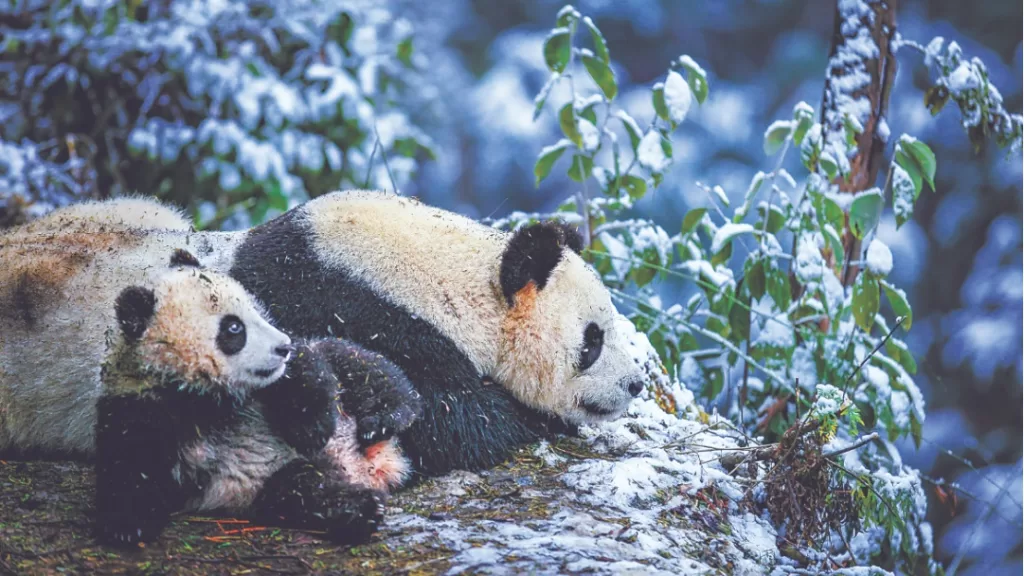
Giant pandas play an important role in maintaining the health of their native ecosystems, which has far-reaching impacts on biodiversity

Pandas, specifically the giant panda, primarily inhabit a unique forest biome known as temperate broadleaf and mixed forests. This biome
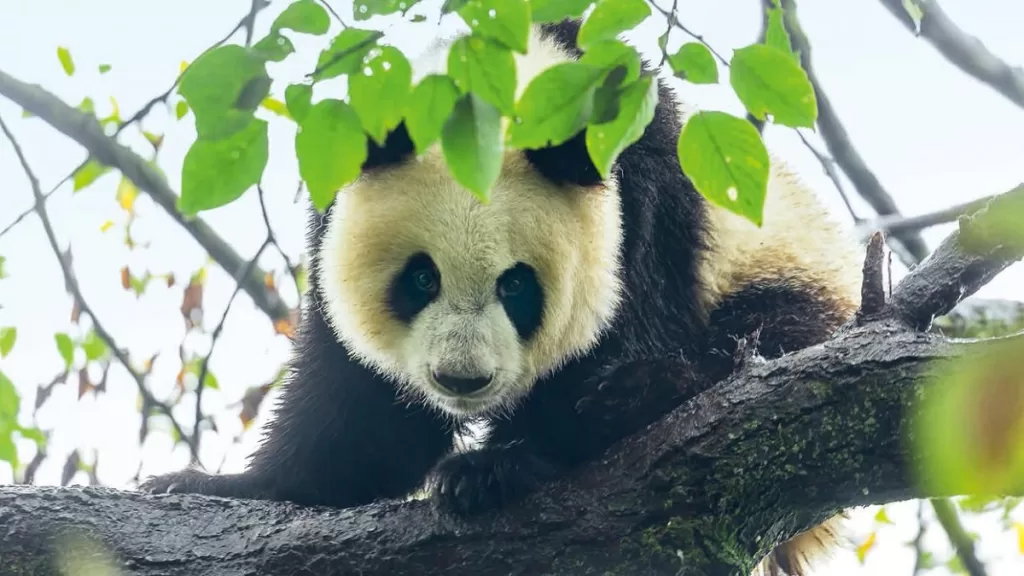
Giant pandas are technically classified as carnivores due to their evolutionary background and digestive system, which resemble those of meat-eating
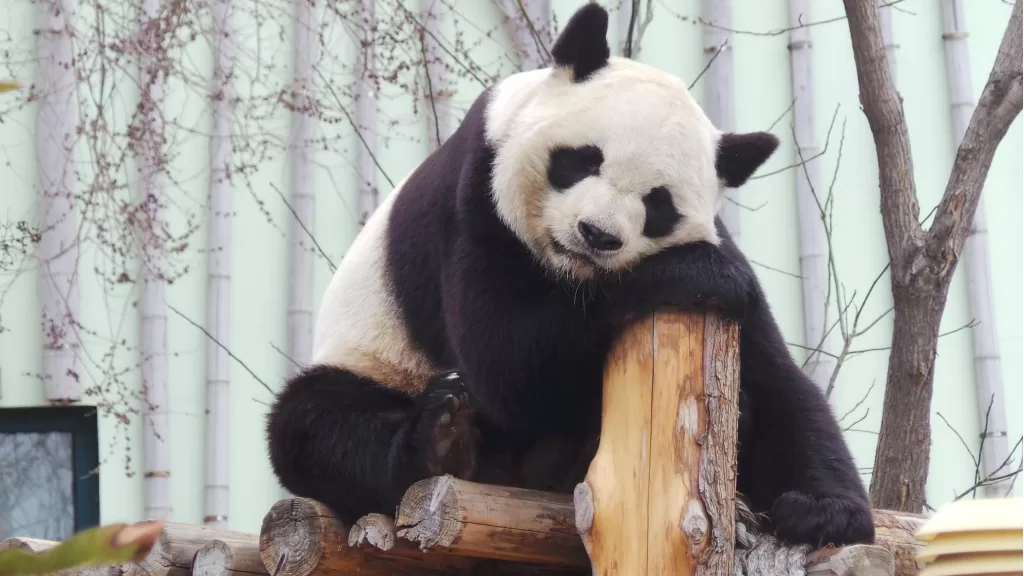
Pandas, with their iconic black-and-white fur and seemingly docile behavior, may not appear as powerful as some of the world’s
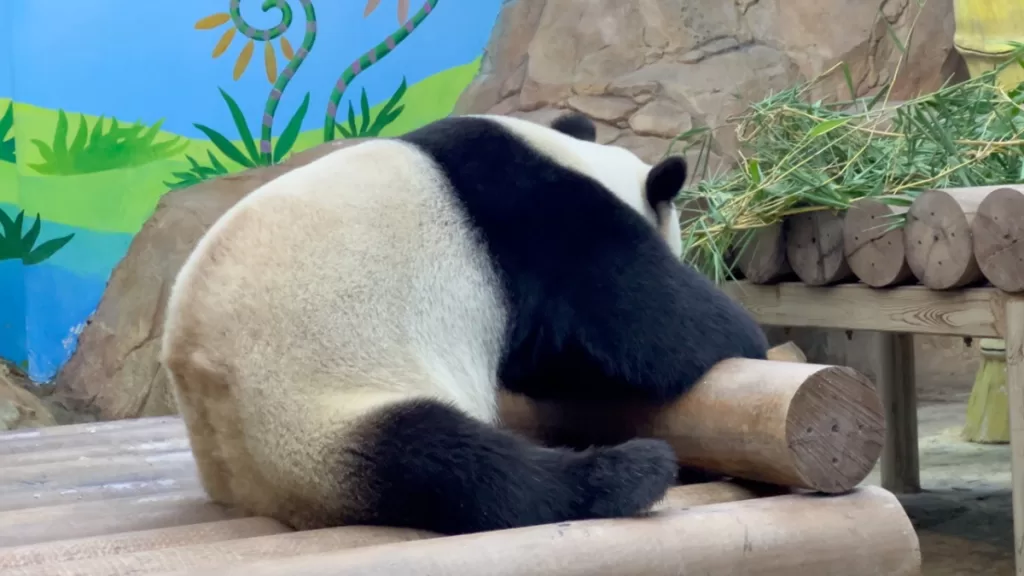
Pandas are generally not aggressive animals and rarely attack humans. Their diet consists mainly of bamboo, and they spend most